top of page


Supporting Neurodivergent Learners Through School Transitions
Transitions are processes, not single moments—and for neurodivergent learners, even small changes can create predictive stress. The key? Time, clarity, and consistency. Think small: details like where to sit or what the uniform feels like matter deeply. Prepare, don't scare: build reassurance, not anxiety.


Working with Whānau of Neurodivergent Learners
We’ve been exploring ways to work together with whānau of our neurodivergent learners and diving into diverse examples of effective practice - here are some of our top tips.


Thriving as a Neurodivergent Educator
Finally, support designed FOR neurodivergent educators. 6-week group coaching starts Term 3. Just $250 for BNS members - Book now as places are limited!
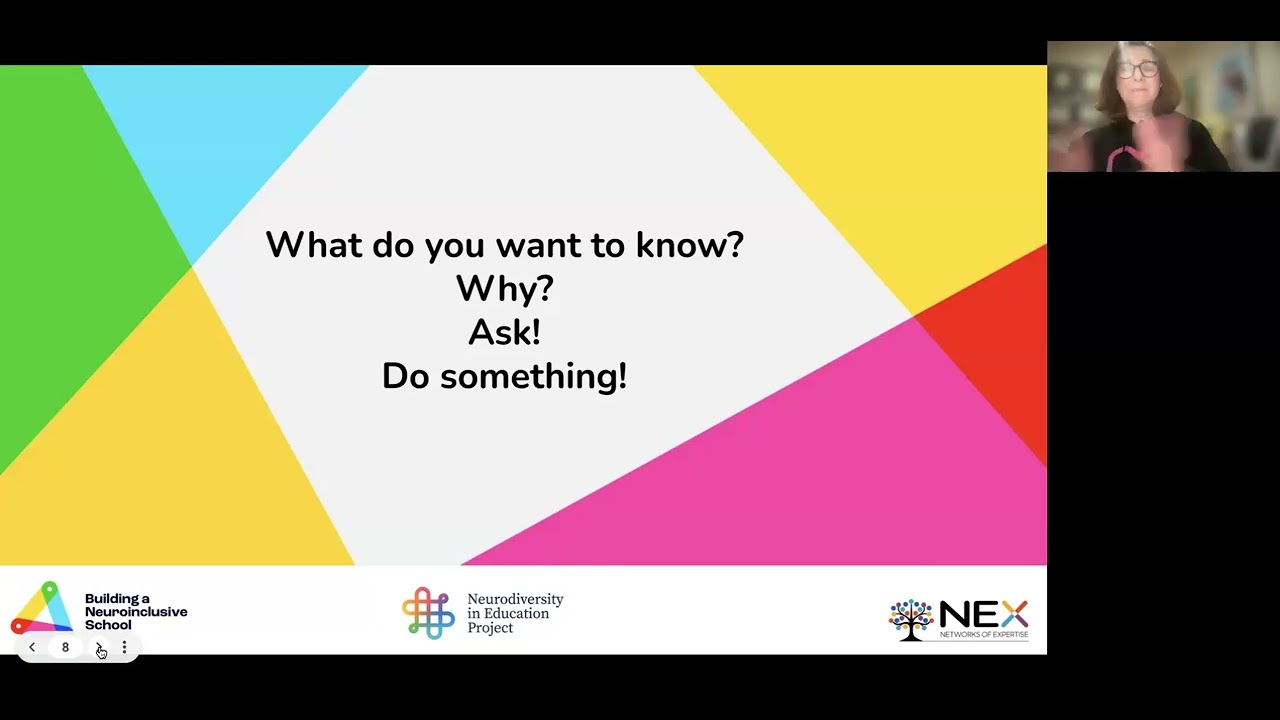
Cafe Session: Seeking Neurodivergent Perspectives
When we seek the perspectives of neurodivergent learners and their whānau, purposefully, respectfully, and regularly, we deepen connection, spark change, and make our classrooms and schools more responsive, more humane, more effective, and more neuroinclusive.


Spotlight on Strengths - How to teach with strengths in mind
Focusing on strengths isn’t just a feel-good extra. It’s a proven, powerful way to boost engagement, wellbeing, and connection—especially for neurodivergent learners.
This course shows you how to spot strengths beyond academics, and how to use them to light the spark in your students.


Supporting Neurodivergent Learners with Structured Literacy
Structured literacy is an explicit, systematic approach to teaching literacy skills that aligns with both the science of learning and Te Mātaiaho’s view of how learning happens. It benefits many learners, including those with diverse neurodevelopmental profiles.
Supporting Neurodivergent Learners with Structured Literacy
This quick guide has expert insights to help you easily tailor your teaching to support your neurodivergent learners.


The Shift We Need: Neuroinclusive Communication for Every Learner
Neuroinclusion starts with one essential tool: communication . It’s not just about giving instructions — it’s about signalling safety,...


Sensory Stocktake: What It Is & How to Use It!
A Sensory Stocktake is a structured way to understand your students’ sensory experiences. Here’s how to do it...


Making the Most of Clubs: A Teacher's Guide to Supporting Curious Learners in 2025
Clubs is your FREE online extension programme connecting passionate Y2-10 tamariki across Aotearoa.


Your Neuroinclusive Classroom Year Planner
We’ve created a FREE, FUN, & PRACTICAL planner to help you make your classroom more neuroinclusive.


The Science of Learning and Neurodivergent Learners
💡 Unlock the science of learning for neurodivergent students! Discover 3 key ideas & actionable tips for neuroinclusive classrooms.

How Do You Play Welcome To My Brain? (For Older Kids and Adults)
How do you play?
It’s super simple! Watch this short video on how older kids and adults can play.

How Do You Play Welcome To My Brain? (Younger Kids)
It’s super simple! Watch our short video for how to play Welcome To My Brain card game with younger kids.

Welcome To My Brain: Check It Out!
Welcome To My Brain is an exciting new card game to help everyone understand and celebrate neurodiversity.


Books To Learn About Neurodiversity
A curated series of recommendations for your classroom, school library and whānau on books to learn about neurodiversity.


Books That Celebrate Neurodiversity
A curated series of recommendations for your classroom, school library and whānau.


Setting Up a Sensory-Friendly Space
Get clear on what being a neuroinclusive school means so you can reflect on where you want to focus now and in the future. Download now


Neurodivergent Learner Characteristics
Use our simple tool to notice, recognize, and respond to neurodivergent learner characteristics in the classroom.


Neuroinclusive School Code
Get clear on what being a neuroinclusive school means so you can reflect on where you want to focus now and in the future.


Welcome To My Brain Lesson Plans
We’ve developed some lesson plans to help you on whichever journey you choose, with versions for Y0-3, Y4-6 and Y7-13.

What's It Like To Be A MindPlus Partner School?
Hear from one of our YourSchool Partner Teachers, Kasia Jeric, about North St School's experience of becoming a MindPlus YourSchool.


🎓 The Science of Learning: What It Means for Neurodivergent Learners
The ‘science of learning’ is reshaping education, but how does it affect neurodivergent students? Watch now and make an impact tomorrow!
bottom of page