top of page


Introducing Capiche
Introducing Capiche, a writing support tool for students with dyslexia and others who find writing difficult.


Understanding Different Brains: CEO Justine Munro on the ADHDifference Podcast
Our CEO Justine Munro recently joined Julie Legg on the ADHDifference Podcast to share her personal journey as a late-diagnosed ADHD parent raising neurodivergent tamariki, and the transformative work happening across Aotearoa to reimagine inclusive education.


Supporting Neurodivergent Learners Through School Transitions
Transitions are processes, not single moments—and for neurodivergent learners, even small changes can create predictive stress. The key? Time, clarity, and consistency. Think small: details like where to sit or what the uniform feels like matter deeply. Prepare, don't scare: build reassurance, not anxiety.


Thriving as a Neurodivergent Educator
Finally, support designed FOR neurodivergent educators. 6-week group coaching starts Term 3. Just $250 for BNS members - Book now as places are limited!
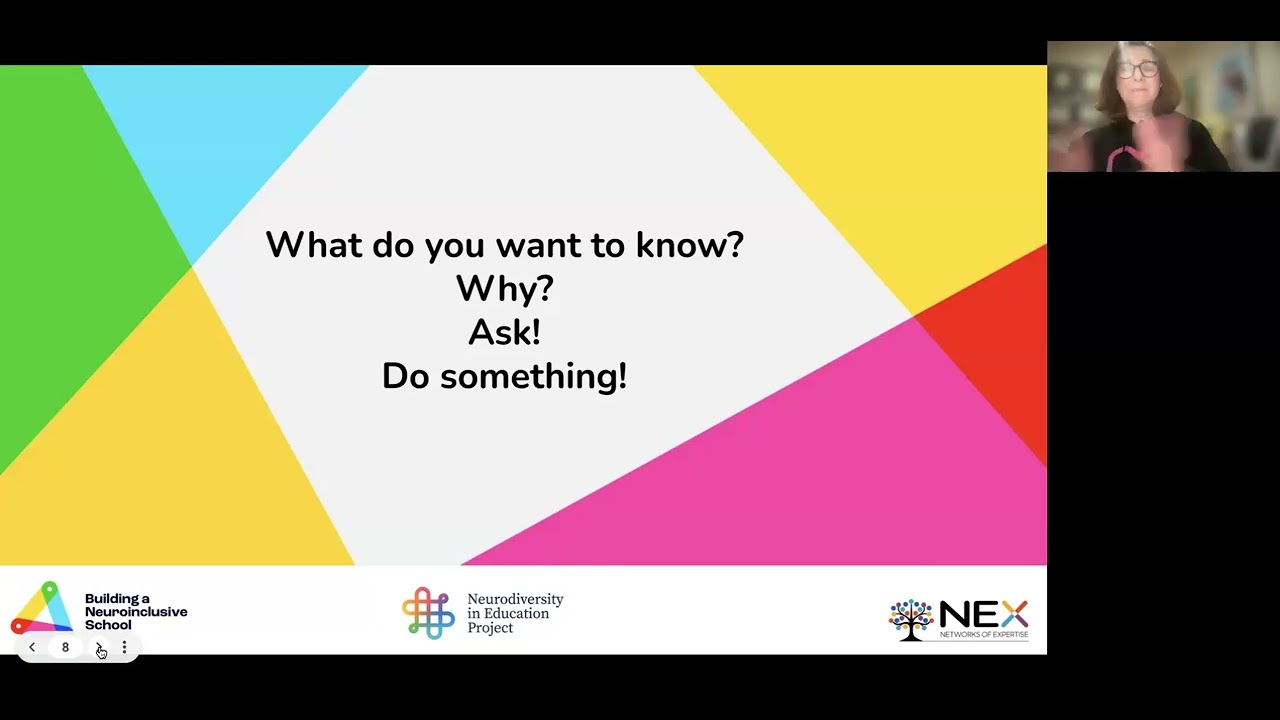
Cafe Session: Seeking Neurodivergent Perspectives
When we seek the perspectives of neurodivergent learners and their whānau, purposefully, respectfully, and regularly, we deepen connection, spark change, and make our classrooms and schools more responsive, more humane, more effective, and more neuroinclusive.


Spotlight on Strengths - How to teach with strengths in mind
Focusing on strengths isn’t just a feel-good extra. It’s a proven, powerful way to boost engagement, wellbeing, and connection—especially for neurodivergent learners.
This course shows you how to spot strengths beyond academics, and how to use them to light the spark in your students.


Supporting Neurodivergent Learners with Structured Literacy
Structured literacy is an explicit, systematic approach to teaching literacy skills that aligns with both the science of learning and Te Mātaiaho’s view of how learning happens. It benefits many learners, including those with diverse neurodevelopmental profiles.


Wired This Way: Tom Little
Tom Little was just five when he was diagnosed with ADHD. He struggled with social cues and felt isolated and frustrated. But his world changed when he met a teacher who welcomed his differences.


More than 10,000 stand-downs in primary schools last year (7 June 2025)
Thousands of students being stood down, suspended or excluded from primary school is a “cry for help“ from both students and schools going without adequate support, experts say.


The Shift We Need: Neuroinclusive Communication for Every Learner
Neuroinclusion starts with one essential tool: communication. It’s not just about giving instructions — it’s about signalling safety, identity, belonging, and possibility. Every word we use in learning spaces can either open a door or close one. When we are strategic about communication with neurodivergent learners in mind, we benefit every learner. What is Neuroinclusive Communication? Neuroinclusive communication means choosing how we speak, listen, and respond in ways that


Join the Clubs buzz – Be part of the fun next term!
Last week, over 400 Clubs kids jumped into our Activation Week, joining 36 live sessions packed with creativity, curiosity and connection.


'Embrace the beauty of it': Being young and neurodivergent in NZ.
Four amazing YNCs - Holly, Niko, Cat, and Charlotte - shared their neurodivergent journeys with Re: News!


More Ways To Use Welcome To My Brain At Work
Check out this guide for practical, easy-to-use ideas for using WTMB to spark conversations and create a more neuroinclusive workplace.


Co-Design Your Classroom
This guide takes you step-by-step to creating a neuroinclusive classroom where every brain thrives, working together with your students.


Energy - Grace Munro
Grace’s passion fuels her work and life—driving curiosity, joy, and impact. For her, living big and bold is the only way!


Focus - Madelaine Armstrong-Willcocks
"Madelaine Armstrong-Willcocks shares how deep-diving into knowledge fuels her passion, creativity, and game-changing work."
bottom of page